


France’s Second Homes: Who’s Buying, and where?
Second homes in France have always been part of the country’s lifestyle fabric — from seaside retreats and ski chalets to inherited family houses in rural villages. But they’re now firmly back in the spotlight.
A recent in-depth analysis by Le Monde newspaper has reignited national debate, not just about housing pressure and tourism, but about who actually owns these properties — and how they’re really used. The reality is more nuanced than the headlines suggest….
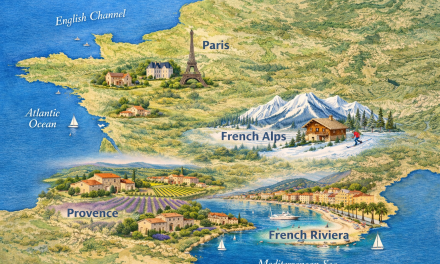
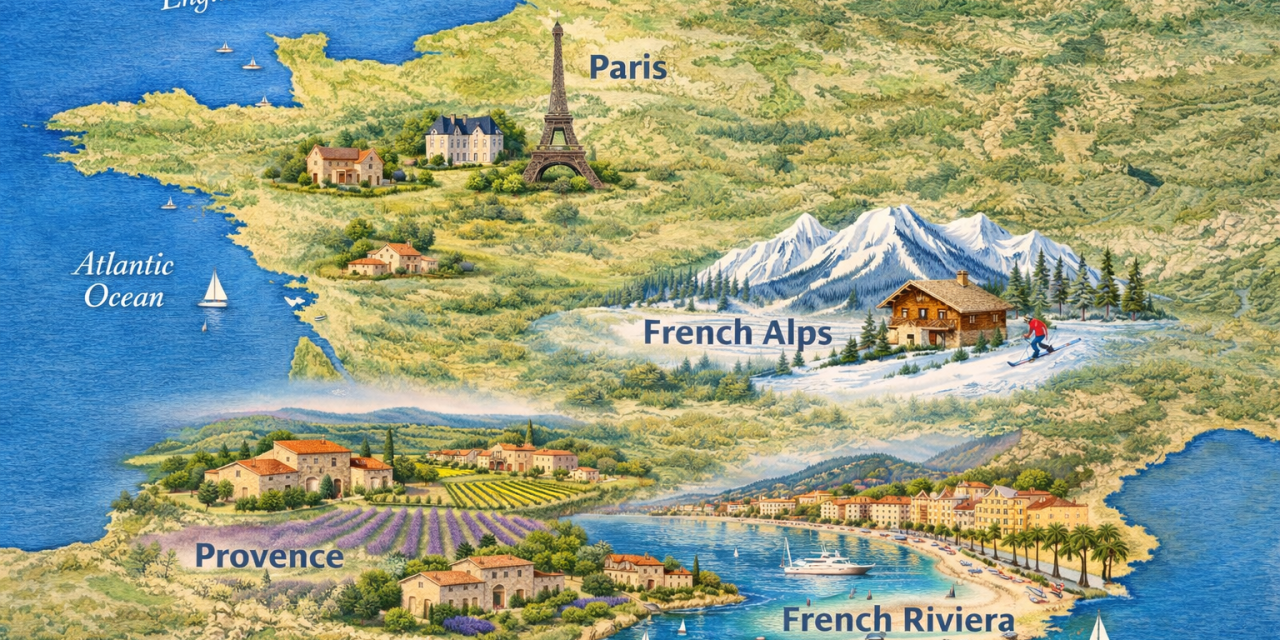
France is now home to around 3.7 million second residences, representing close to 10% of the total housing stock. They are heavily concentrated in lifestyle regions: the coast, the mountains, and the country’s most attractive cultural centres. The Mediterranean coastline, mountain resorts in the French Alps, and iconic cities like Paris dominate the map.
Yet despite the common perception that second homes are owned mainly by wealthy international buyers, the data paints a more balanced picture. Many properties are family homes passed down through generations, often purchased decades ago when tourism first developed in the 1960s and 70s. A large proportion of owners are older households, and a significant number of second homes are modest properties rather than luxury villas.
What has changed is how these homes are used. Today, second homes are rarely just for a few weeks of summer holiday. They are increasingly hybrid properties: part lifestyle home, part work base, part rental asset. Remote working, flexible lifestyles and short-term rental platforms have transformed the role of the second home in modern France.
Where do International Buyers have second homes
While foreign buyers represent a minority nationally, they play a visible role in France’s most prestigious lifestyle markets — particularly the French Riviera, Provence, the Alps and Paris.
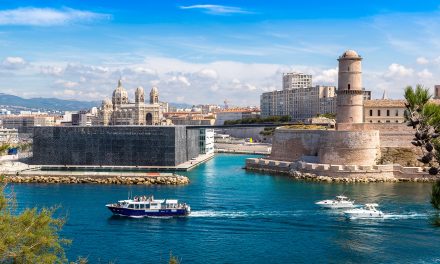
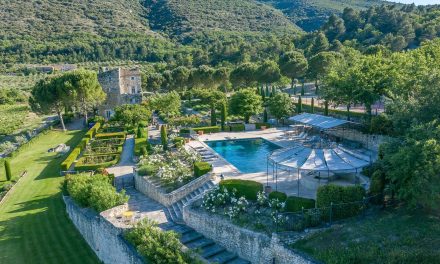
French Riviera & Provence
These regions remain magnets for international second-home buyers. European purchasers, especially from Belgium, the UK, Germany, Switzerland, Scandinavia and the Netherlands, continue to dominate lifestyle villa markets, while higher-end coastal and hilltop properties attract increasing interest from North American, Middle Eastern and Asian buyers.
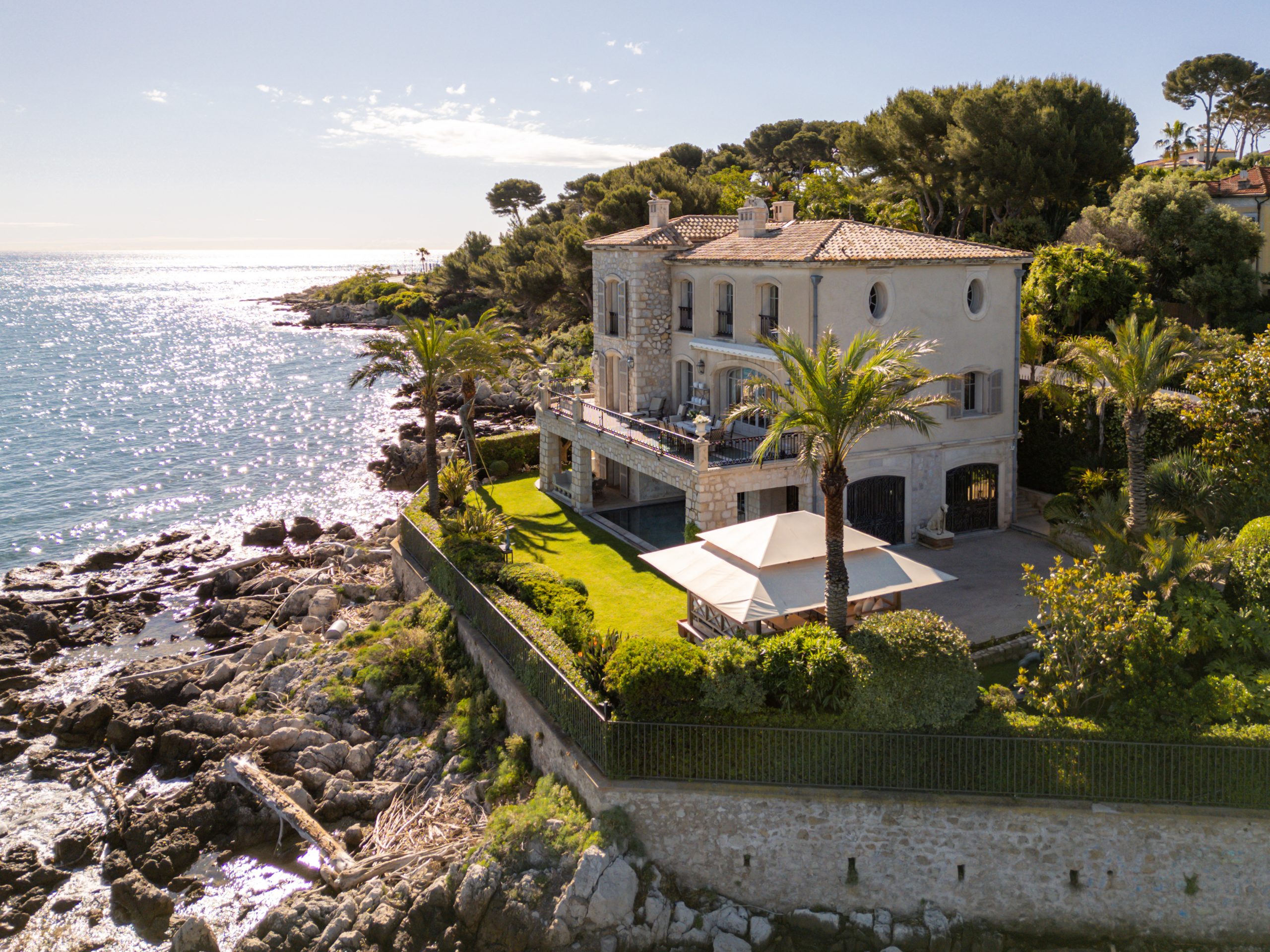
“On the Riviera and in Provence, we still see strong European demand — people buying for lifestyle, climate and long-term enjoyment,” says Tim Swannie, Director of Home Hunts. “But what’s really evolved is the international mix. Buyers today are coming from a much wider range of countries, and they’re often combining personal use with rental income strategies.”
The Alps
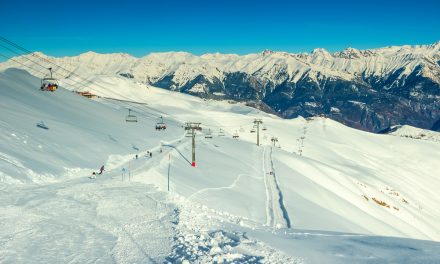
In the mountain resorts, second homes are deeply embedded in local economies. Alpine properties attract a blend of French families and international buyers, particularly Europeans and increasingly North Americans, drawn by both winter sports and summer alpine living.
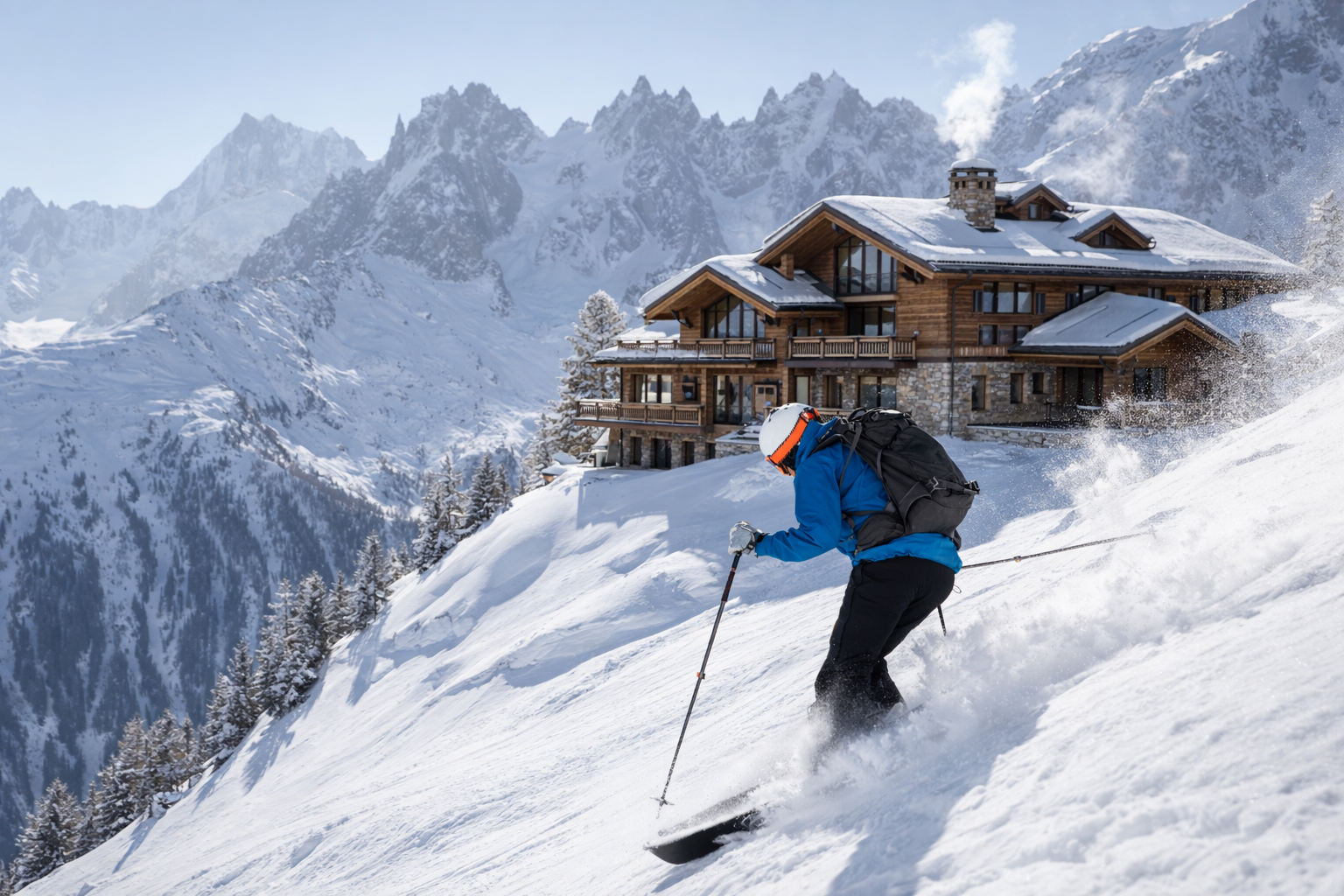
“The Alps market is very lifestyle-driven,” explains Tim Swannie. “Buyers want seasonal flexibility — skiing in winter, hiking and mountain living in summer — but we’re also seeing more structured investment thinking, where rental income forms part of the purchase decision.”
Paris
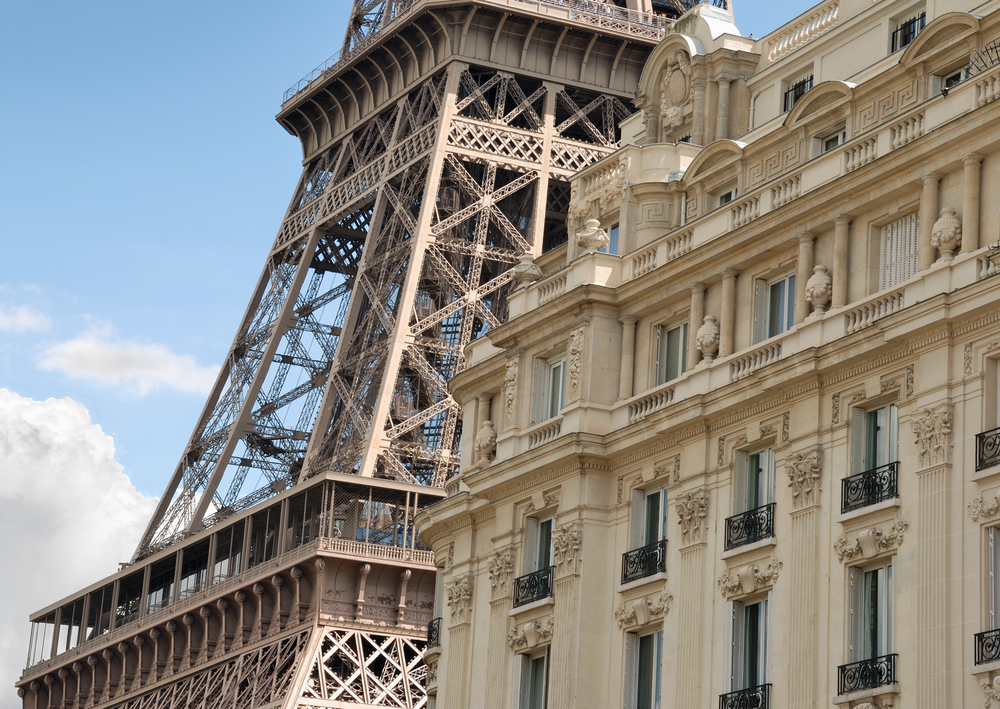
Paris may not be seen as a traditional ‘holiday home’ destination, but it has one of the strongest second-home and pied-à-terre markets in Europe. Many second homes are owned by French residents from other regions, while internationally, American buyers are particularly active in the capital, especially in higher-end districts.
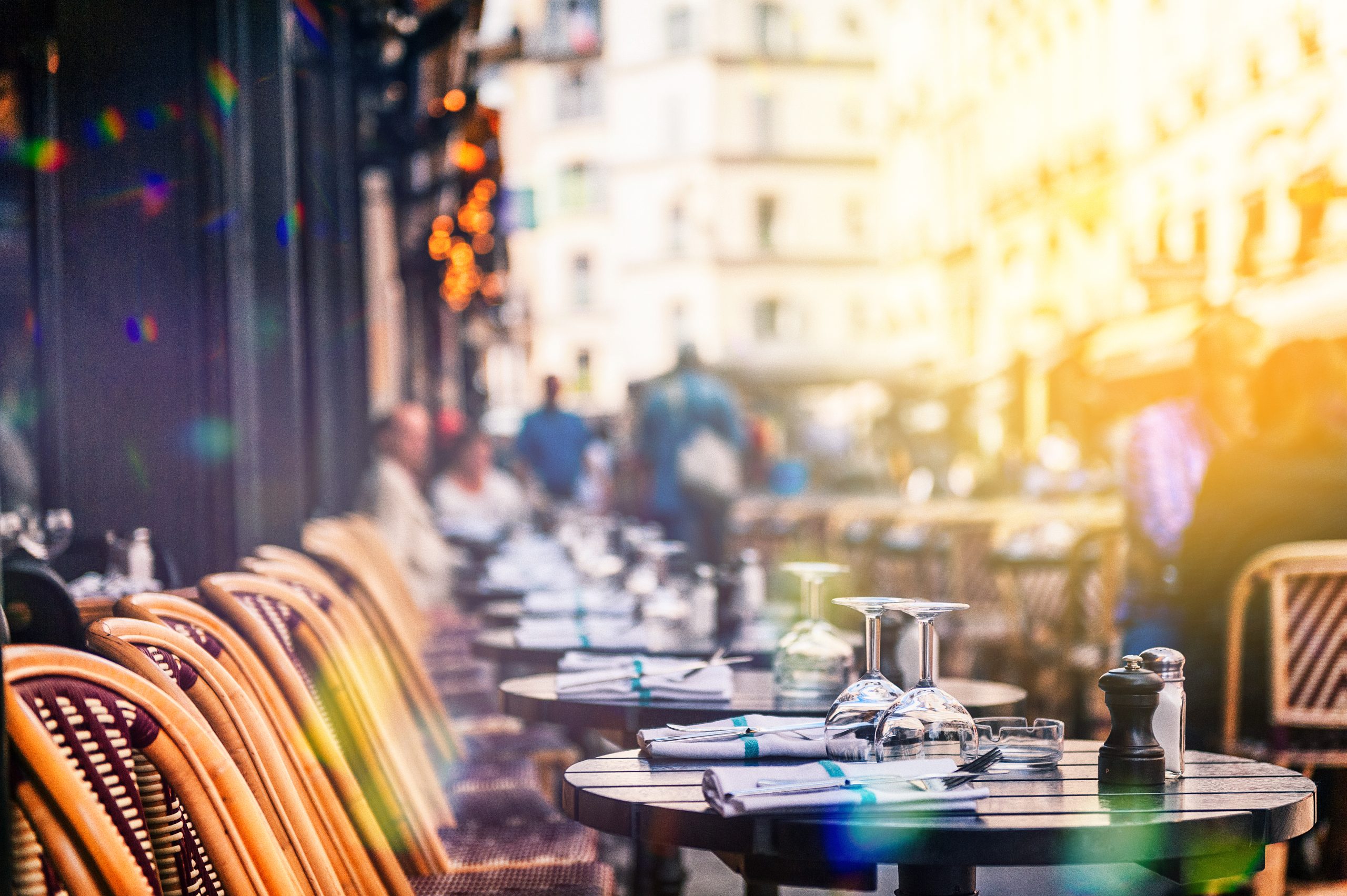
“Paris continues to attract overseas buyers who value long-term security, heritage, and cultural appeal,” says Swannie. “For many, it’s not about short-term profit — it’s about owning a piece of a global city.”
A More Complex Reality Than the Stereotypes
The national conversation around second homes often becomes polarised — framed as wealthy outsiders versus local residents. But the reality is far more layered.

Yes, luxury markets exist. Yes, some areas face real housing pressure. But the majority of second homes in France are not ultra-luxury assets. They are family properties, inherited homes, modest apartments, and long-held retreats that form part of French social history.
“What we see on the ground is not a single type of buyer or a single motivation,” says Swannie. “It’s families returning to childhood homes, professionals buying weekend properties, retirees planning future relocations, and international buyers investing emotionally as much as financially.”
Second Homes – Looking Forward
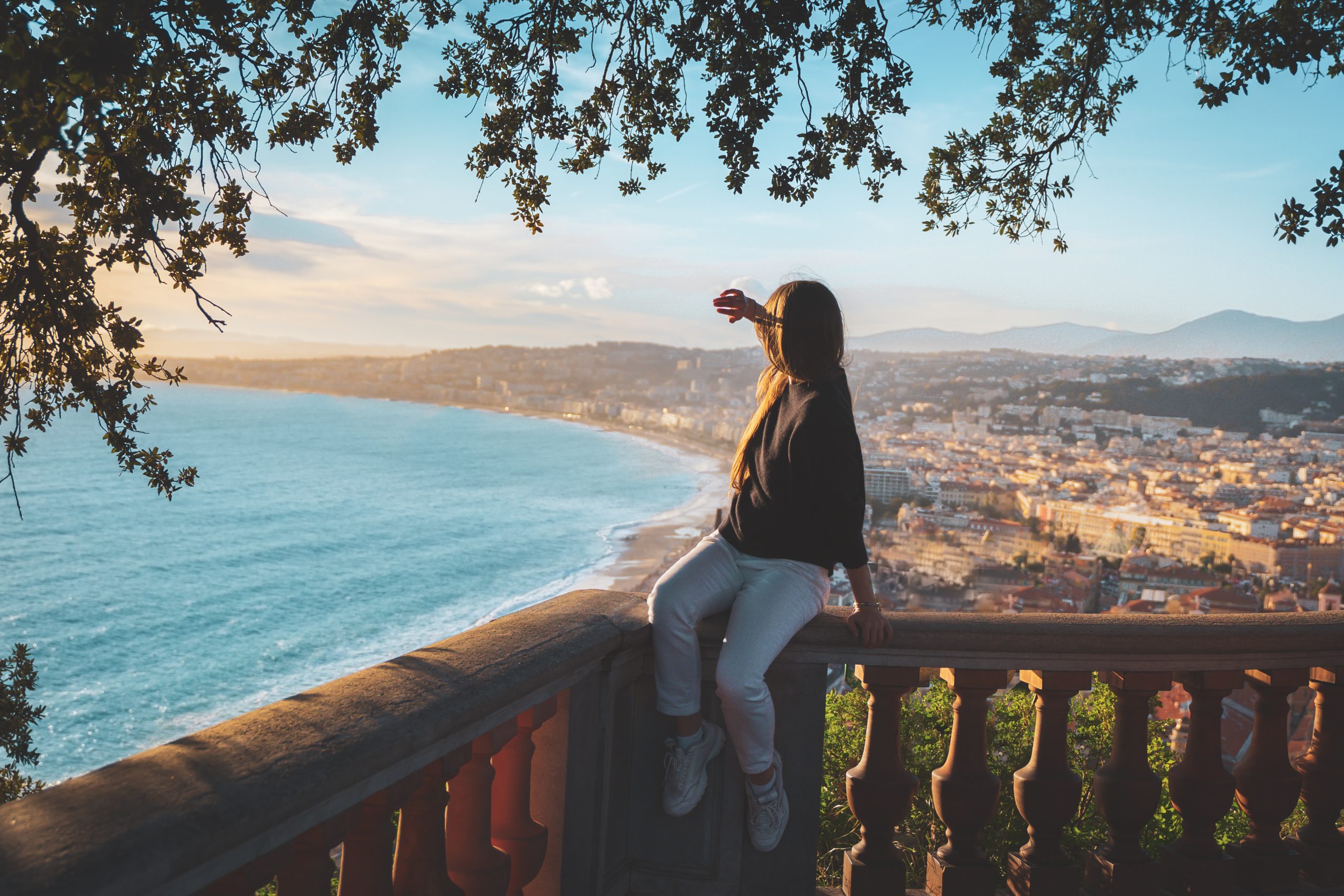
France’s second-home market isn’t disappearing — it’s evolving. Lifestyle, mobility, flexible work, and global connectivity are reshaping how people use property. The traditional idea of a second home as a simple holiday house is being replaced by something more fluid: part residence, part retreat, part investment, part future plan.
For buyers — whether French or international — the appeal remains the same: quality of life, heritage, landscape, and stability.
And that, more than any statistic, explains why France continues to be one of the world’s most enduring second-home destinations.
If you are interested in second homes around France, Spain, Monaco or Switzerland, Home Hunts and our Super Prime team want to help. If you would like to speak to one of the team to discuss your needs or just to have a chat about the market, you can call us on +33 970 44 66 43 or send us a mail to info@home-hunts.com. If you just want to browse through thousands of beautiful French homes, visit our website at www.home-hunts.com or follow us on Facebook or Instagram. or continue to follow this page